

We stand behind every product we sell.
All of our brand new items come with a 30-Day money-back or exchange guarantee.





|
|
|

|

|

|

|
30 Days Money Back | Awesome customer's service GUARANTEED | Fast shipping
Manufacturer Direct Sell | 99% Positive Feedback | Fast&Secure Delivery
 Item Features:
 Fitment:
DODGE
 Package Includes:
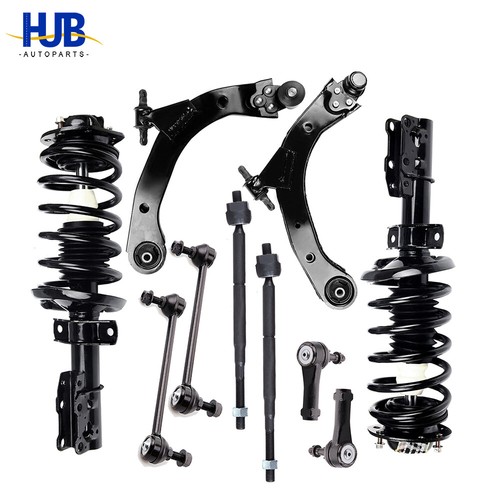
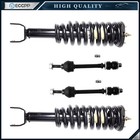
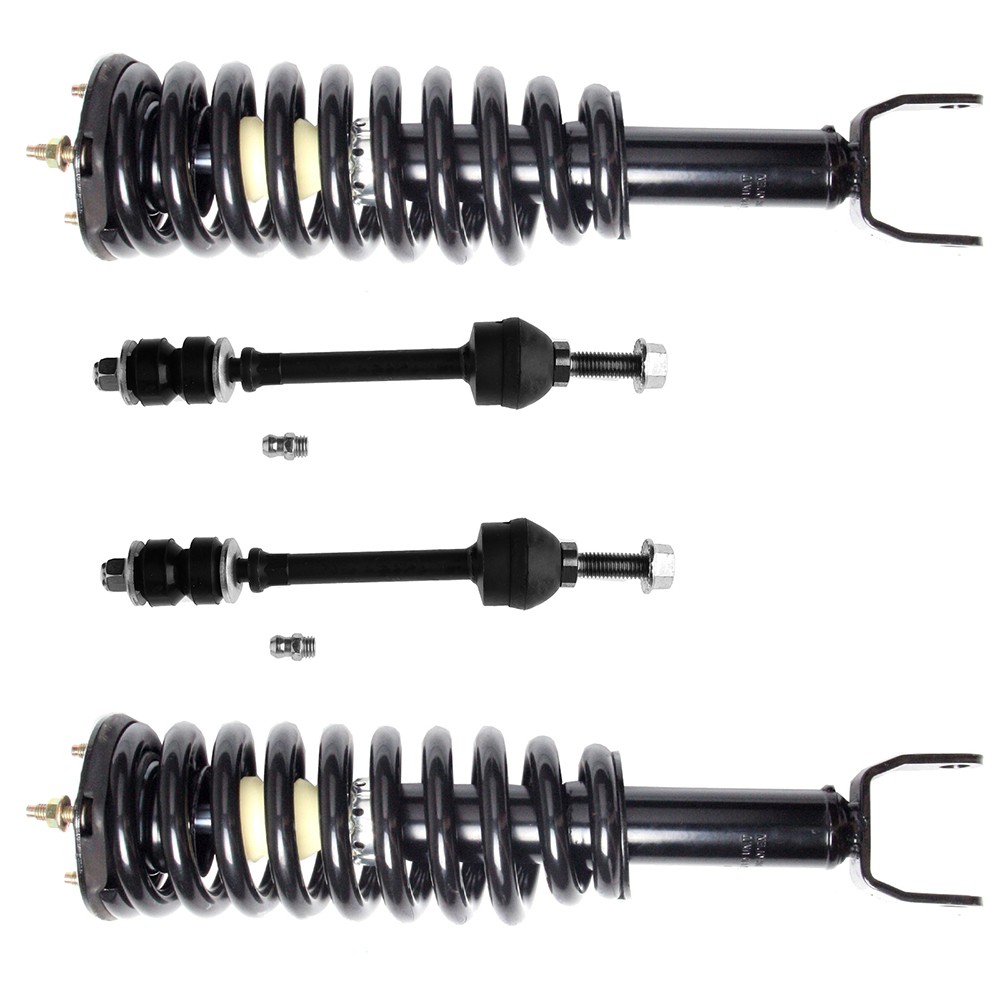
2pcs Front Complete Struts Assembly-271100
Where Are the Shocks Typically Located?
*The shocks (or dampers) are typically found between the vehicle’s frame and wheels, particularly behind the tires.
*Most shocks are gas-charged, which means they not only dampen suspension oscillations while driving over rough roads, they also help the springs support the weight of the vehicle. Non-gas charged shocks don’t provide support. There is a shock or strut at each of the four wheels.
*Some vehicles can also have air-inflatable shock absorbers. These shock absorbers often have a built-in air compressor and ride height sensors for automatic ride height control functions.
Tips on How to Access the Shocks:
Shock absorbers are wear-and-tear components that will need replacement after some time. As the control arm bushings and ball joints begin to age, the shock absorbers work harder to maintain vehicle stability. This also causes the seals inside the shocks to deteriorate.
Ride harshness, frequent bottoming out on rough roads, and extended vehicle movement after driving on dips or a rise in the road are some of the most common signs that you need new shocks.
When replacing worn-out shocks, many experts use the shock stud trick:
*The process involves using a deep-well 9/16-in. socket and a long extension to bend the shock stud until it breaks off. The worn shock absorber isn’t going to be reused, so there’s no harm in damaging it while trying to remove it.
*Once the upper shock stud is removed, you can proceed to hoist your vehicle to access the two lower shock bolts and completely remove the shock absorber.
From there, you can mount the new shock absorber and attach the lower bolts, upper rubber bushings, and retaining nuts.
*That said, this method only works on platforms where you can access the shock stud, and not all shocks have studs, so this may or may not work for you. Also, you need quite a bit of strength to do this and the room to make it happen. There are tools available at the parts store for removing the nut from the stud, which may be smarter.
What are the Signs of a Bad Strut?
1: Strut noise
2:Rough ride
3:Reduced handling ability/braking performance
4:Abnormal tire wear
5:Hydraulic oil seepage
Suspension Maintenance Tips You Should Know About:
*Check Wheel Alignment
*Inspect the Tires
* Lubricate Moving Parts
| Item Specifics | |
|---|---|
| Brand | HUB-AutoPart |
| Manufacturer Part Number | HUB819997S01A |
| Manufacturer Warranty | 1 Year |
| Fitment Type | Direct Replacement |
| Position on Vehicle | Front Left Right |
| Adjustable | No |
| Modified Item | No |
| Greasable or Sealed | Sealed |
| Gas Charged Shock | Yes |
| Interchange Part Number | 271100 |
| Other Part Number | K750263 |
| Shipment | Split |
1.If you want cancel orders or change address pls contact us within 6 hours after payment,or we are not responsible for shipping a replacement.
2.Payment must be received within 7 days as auction ended or order might be delayed.
1. Package handling takes about 1-3 business days at our warehouse, so please make sure entering correct payment and shipping information before checking out. Once your payment is completed, we are not going to accept any more changes to your order.
2.All domestic orders will be shipped via USPS, UPS or Fedex from our US warehouse and usually arrives to your door in about 2-7 business days.
3.Local pick up is not available.
4.International Buyers C Please Note:
a. Import duties, taxes and charges are not included in the item price or shipping charges. These charges are the buyers responsibility.
b. Please check with your country customs office to determine what these additional costs will be prior to bidding/buying. ]
We stand behind every product we sell.
All of our brand new items come with a 30-Day money-back or exchange guarantee.
If you have any questions, Please feel free to contact us anytime via E-mail.
Shop Category Hot Item
Picture
|
Front Struts Spring Assembly Sway Bar link Kit For 05-09 Dodge Mitsubishi 2WD
30 Days Money Back | Awesome customer's service GUARANTEED | Fast shipping Manufacturer Direct Sell | 99% Positive Feedback | Fast&Secure Delivery
DODGE DAKOTA 2005 - 2009 All 2WD Models ONLY MITSUBISHI RAIDER 2006 - 2009 All 2WD Models ONLY
2pcs Front Complete Struts Assembly-271100 2x Front Sway Bar End Link - K750263
*The shocks (or dampers) are typically found between the vehicle’s frame and wheels, particularly behind the tires. *Most shocks are gas-charged, which means they not only dampen suspension oscillations while driving over rough roads, they also help the springs support the weight of the vehicle. Non-gas charged shocks don’t provide support. There is a shock or strut at each of the four wheels. *Some vehicles can also have air-inflatable shock absorbers. These shock absorbers often have a built-in air compressor and ride height sensors for automatic ride height control functions.
Shock absorbers are wear-and-tear components that will need replacement after some time. As the control arm bushings and ball joints begin to age, the shock absorbers work harder to maintain vehicle stability. This also causes the seals inside the shocks to deteriorate. Ride harshness, frequent bottoming out on rough roads, and extended vehicle movement after driving on dips or a rise in the road are some of the most common signs that you need new shocks.
*The process involves using a deep-well 9/16-in. socket and a long extension to bend the shock stud until it breaks off. The worn shock absorber isn’t going to be reused, so there’s no harm in damaging it while trying to remove it. *Once the upper shock stud is removed, you can proceed to hoist your vehicle to access the two lower shock bolts and completely remove the shock absorber. From there, you can mount the new shock absorber and attach the lower bolts, upper rubber bushings, and retaining nuts. *That said, this method only works on platforms where you can access the shock stud, and not all shocks have studs, so this may or may not work for you. Also, you need quite a bit of strength to do this and the room to make it happen. There are tools available at the parts store for removing the nut from the stud, which may be smarter.
1: Strut noise 2:Rough ride 3:Reduced handling ability/braking performance 4:Abnormal tire wear 5:Hydraulic oil seepage
*Check Wheel Alignment *Inspect the Tires * Lubricate Moving Parts
1.If you want cancel orders or change address pls contact us within 6 hours after payment,or we are not responsible for shipping a replacement. 2.Payment must be received within 7 days as auction ended or order might be delayed. 1. Package handling takes about 1-3 business days at our warehouse, so please make sure entering correct payment and shipping information before checking out. Once your payment is completed, we are not going to accept any more changes to your order. 2.All domestic orders will be shipped via USPS, UPS or Fedex from our US warehouse and usually arrives to your door in about 2-7 business days.
We stand behind every product we sell. All of our brand new items come with a 30-Day money-back or exchange guarantee. If you have any questions, Please feel free to contact us anytime via E-mail. All rights reserved. |