











Vehicle Description
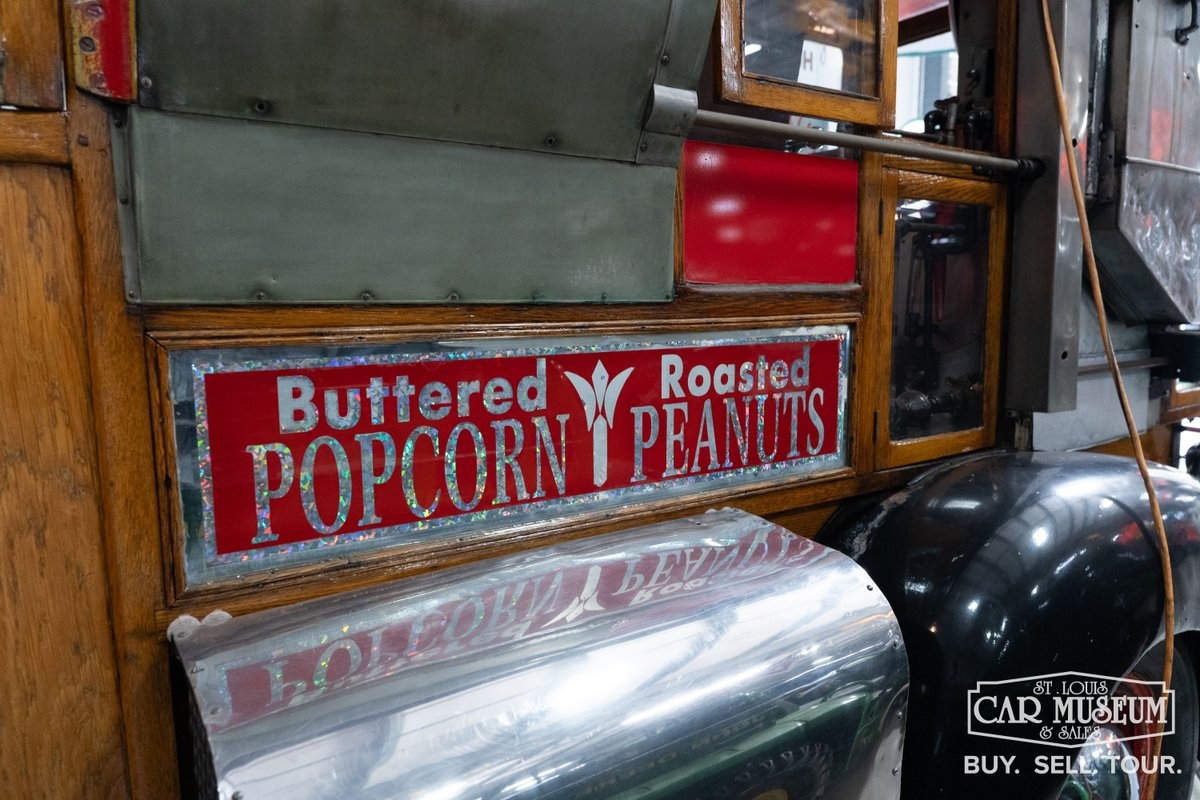
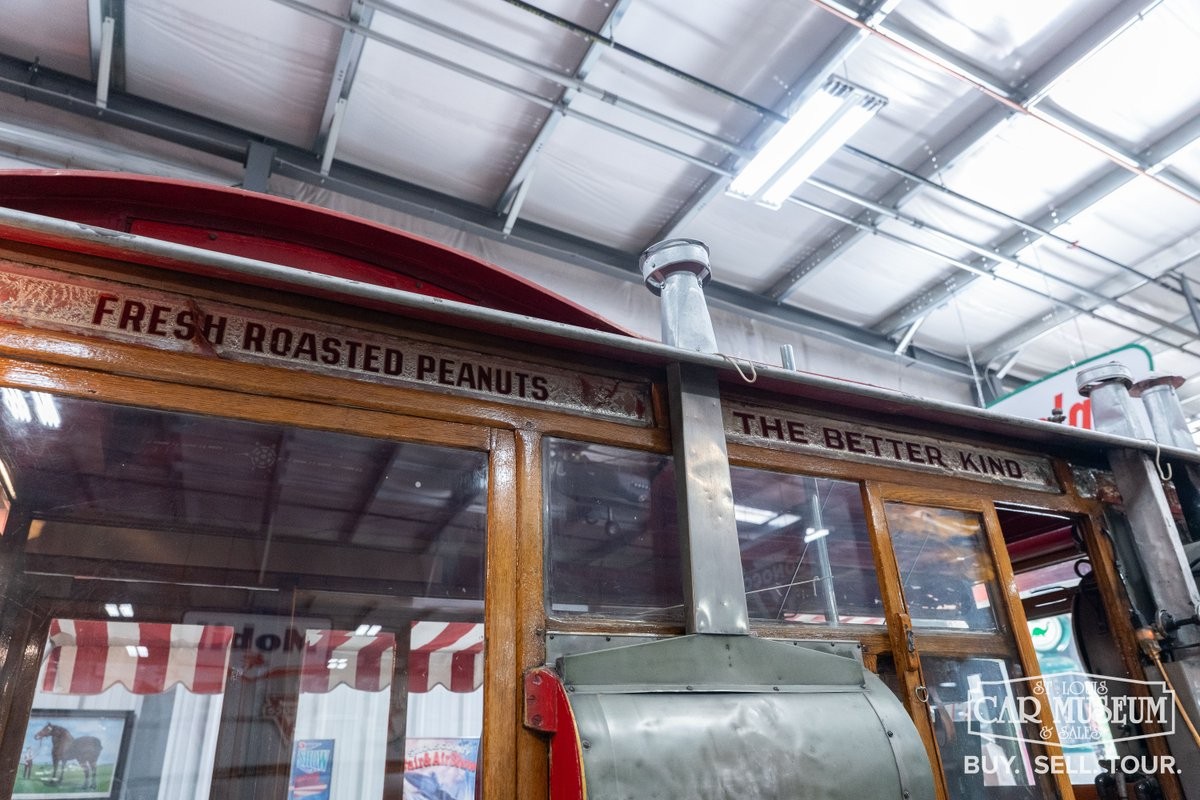
Manufactured by Dunbar & Company, a leading name in the production of concession wagons during the early 20th century, this Model 4 example was delivered new in June 1930 to Roy Ruttler. By December of that same year, it had passed to brothers F. James and Ferdinand Thompson, marking the beginning of a remarkable chapter in American small-business history. From their base in Altoona, Pennsylvania, the Thompson family would operate the wagon as the cornerstone of their amusement enterprise for the next five decades.
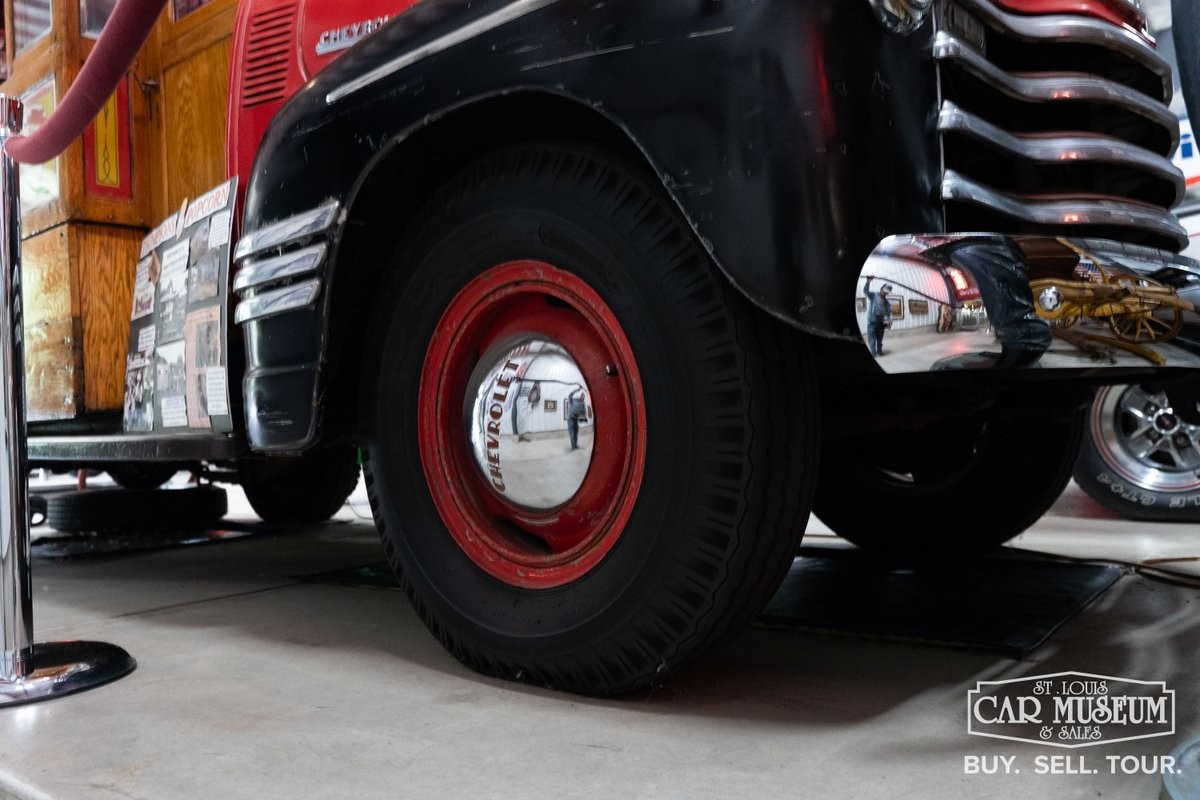
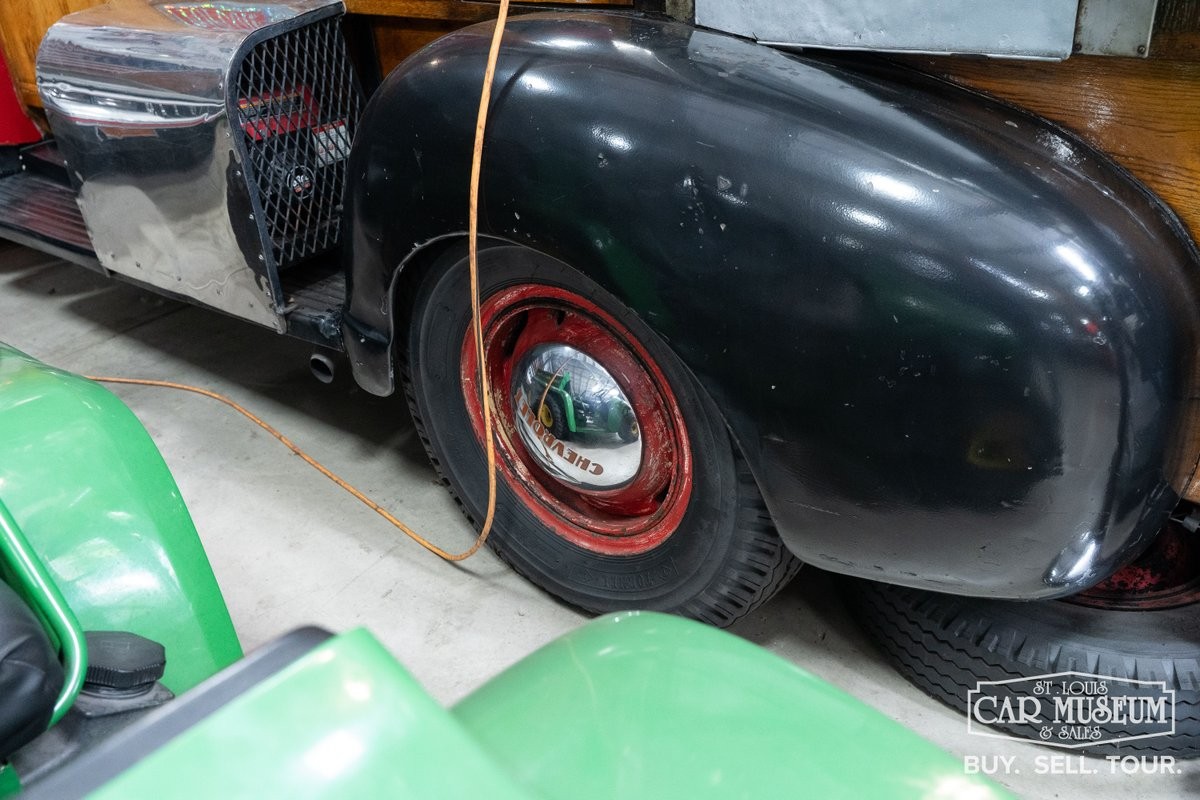
Originally mounted on a 1930 Chevrolet 1½-ton commercial chassis, the wagon was thoughtfully updated in the early 1950s with a 1947 Chevrolet platform, ensuring continued usability while preserving its distinctive Dunbar-built superstructure. This sympathetic evolution reflects the practical realities of a working commercial vehicle, one that remained not merely preserved, but actively employed.
By 1963, stewardship passed to the youngest Thompson brother, Leo, who maintained its operation into the 1970s. Its final caretaker, grandson Ferd "Jim" Thompson, relocated the wagon to Sarasota, where it continued to delight crowds in full working order, an increasingly rare distinction among surviving examples.
Acquired by the St. Louis Car Museum in October 2021, this extraordinary popcorn wagon stands today as both a functional artifact and a deeply personal heirloom. Its 91-year continuous family ownership, coupled with decades of documented operation, sets it apart from restored or static examples.
An emblem of American ingenuity, showmanship, and small enterprise, this 1930 Dunbar Model 4 Popcorn Wagon offers a rare opportunity to acquire a centerpiece-quality concession vehicle, equally suited for museum display, private collection, or continued exhibition use, infused with a story as rich and enduring as the traditions it once served.
Vehicle Equipment
- Exterior Color:
- Red/Black
Vehicle Warranty
New Vehicles come with a full-factory warranty. Used vehicles may have a remaining-factory warranty, but please contact us for the warranty details specific to this vehicle.
About St. Louis Car Museum
St.Louis' premiere classic car dealer & automotive museum featuring 100+ vehicles, vintage gas pumps, neon signs, and collectibles, making our facility the ideal spot for families, car clubs, and Route 66 visitors! Are you looking to buy or sell a classic car? Visit our website to cruise our available inventory today or contact Jon Faust, general manager, at (800)957-5707 or email [email protected]
Terms and Conditions
- Secure Purchase
- Cashier's Check/money order
- Personal check (once cleared)
General Terms
Notice to Bidders: All of the vehicles we list on eBay are for sale locally. We reserve the right to end an auction early. All cars are immediately ready for delivery upon sale.
Deposit: We require a non-refundable $500 deposit within 48 hours of winning the auction. Please call to make arrangements for payment.
Payment Types: Cash in person, Certified Funds, Institutional Financing
All sales transactions must be completed within 7 calendar days of auction close.
Prices subject to change without notice and do not include Title, License, Registration Fees, State or Local Taxes or Processing Fees, if any. Please contact seller first for vehicle availability. Although every effort is made to present accurate and reliable information, use of this information is voluntary, and should only be deemed reliable after an independent review of its accuracy, completeness, and timeliness. It is the sole responsibility of the customer to verify the existence of options, accessories and the vehicle condition before time of sale. Any and all differences must be addressed prior to time of sale. No expressed or implied warranties, including the availability or condition of the equipment listed is made. EPA mileage estimates for comparison purposes only. Actual mileage may vary depending on driving conditions, driving habits, and vehicle maintenance.
Fees and Taxes
Sales tax, title, license fee, registration fee, dealer documentary fee, finance charges, emission testing fees, and compliance fees are additional to the advertised price. Vehicle is listed locally, we reserve the right to end the auction at any time.