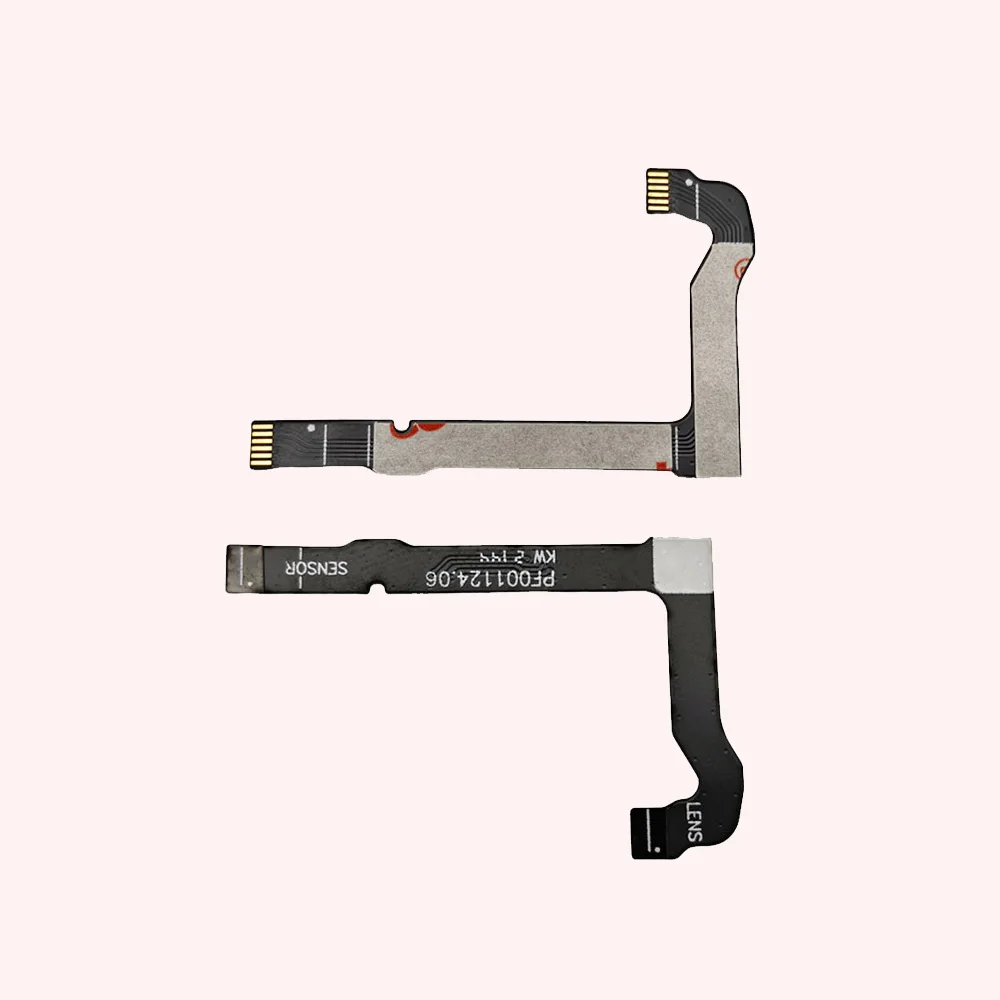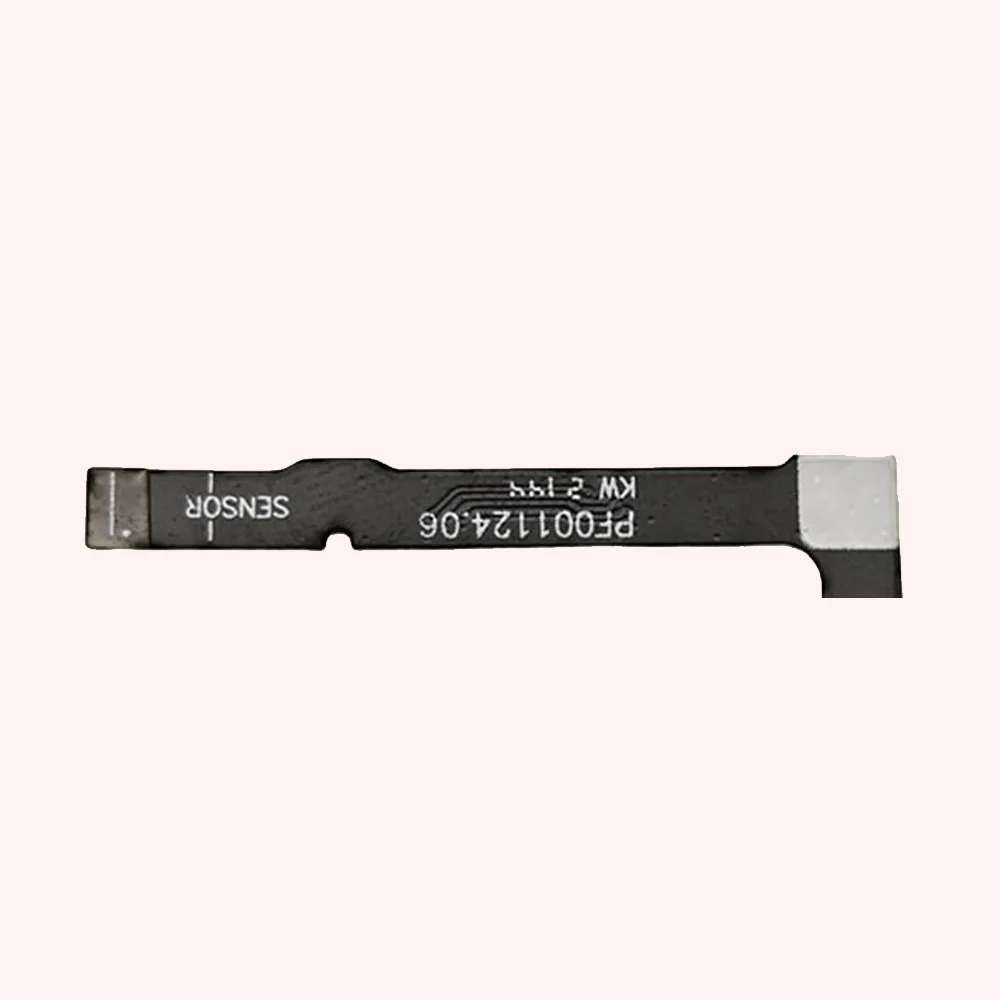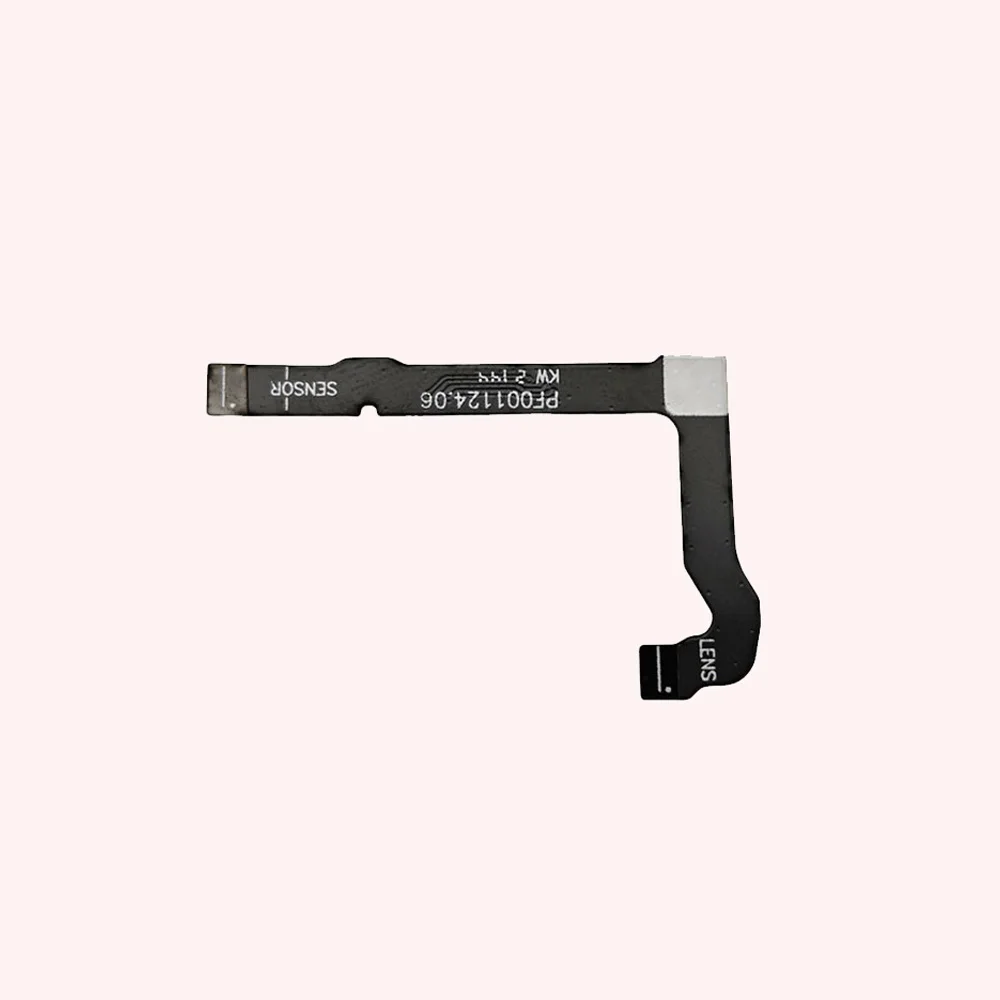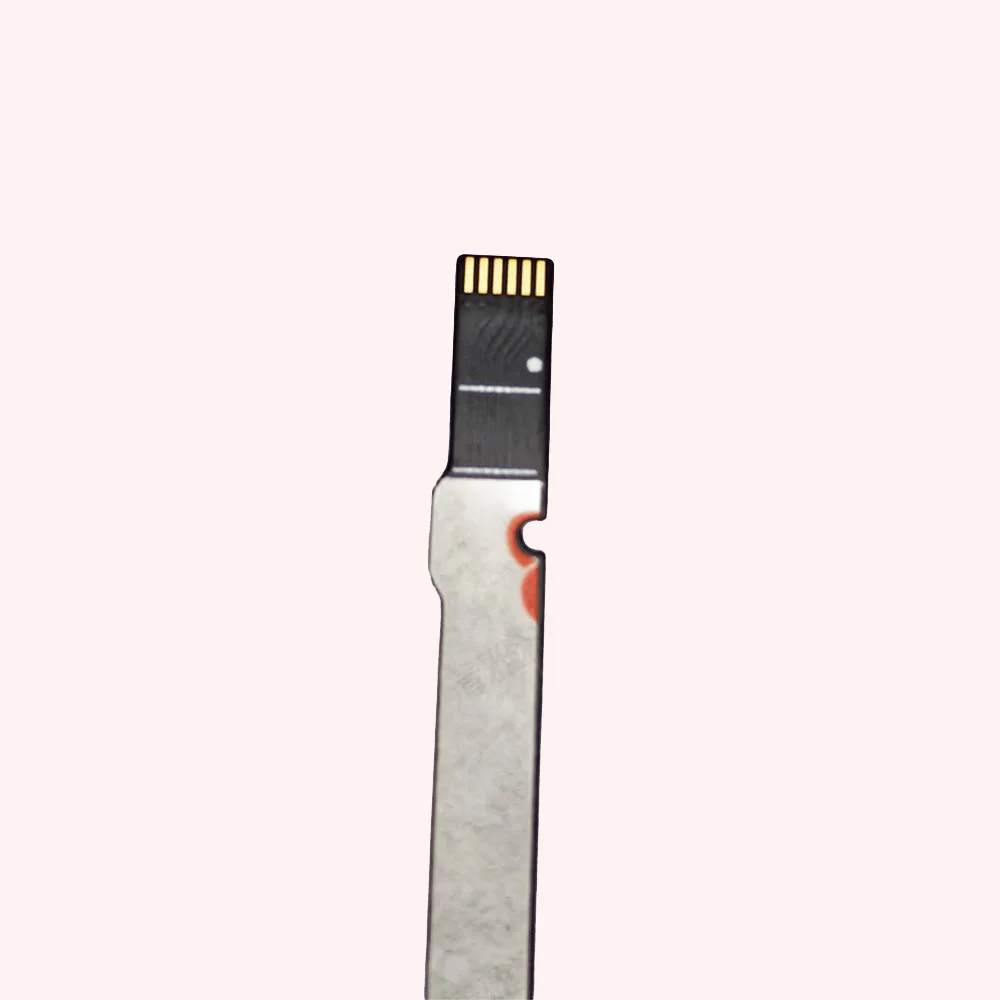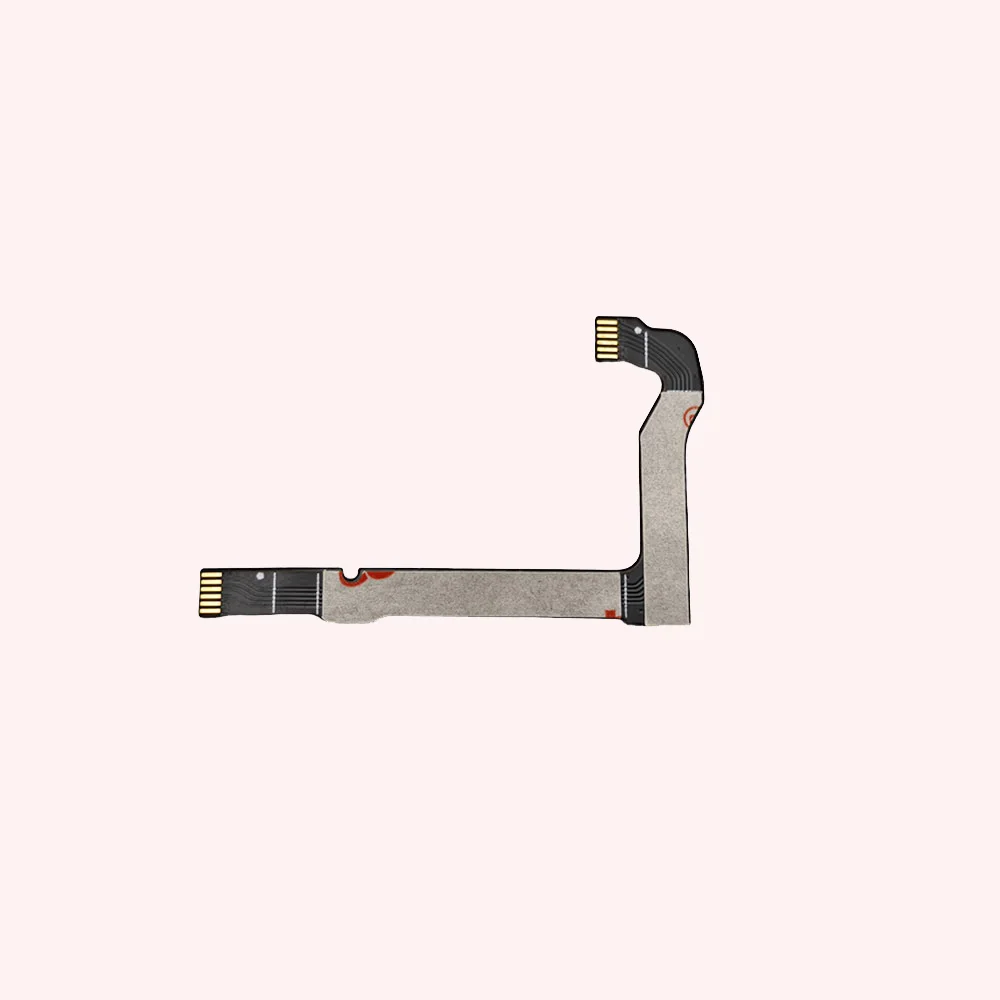







[Original Manufacturer] For Mavic 3 Zoom Cable Assembly
The Focal Nerve of Aircraft, the Foundation of Signal Topology, A Zoom Epic Developed Over Three Years
Core Advantages
Silver-Palladium Alloy-Liquid Crystal Polymer Composite High-Frequency Conductor
Utilizing aerospace-grade silver-palladium alloy (Ag-Pd 95-5) as the core signal conductor, encapsulated within a double-layer liquid crystal polymer (LCP) high-frequency dielectric substrate, the conductor and dielectric are bonded at the molecular level through laser etching. Achieving a characteristic impedance of 100Ω±3Ω, a signal transmission frequency of DC-10MHz, and withstanding 500,000 dynamic bends (equivalent to an 8-year zoom lens lifespan) in a zoom cable weighing only 0.8g, with a bending radius as small as 1.2mm, and after three years of market validation, its extreme flexibility and signal fidelity forge the zoom nerve of the Mavic 3 series telephoto lenses.
Four-Dimensional Topology Optimized Stress-Distributing Trace Network
The internal structure of the ribbon cable is optimized using four-dimensional finite element topology (considering bending fatigue evolution over time). Gradient stress-distributing trace structures are designed in six high-dynamic bending areas, including the lens drive end, motherboard connector end, and through-hole transition area. Quantum annealing algorithms are used to optimize linewidth variations and copper foil shape, reducing conductor micro-cracks during dynamic bending from 12μm in traditional designs to below 2μm. This ensures zero interruption of the drive signal during repeated zooming of telephoto lenses, resulting in a 500% improvement in fatigue life compared to traditional ribbon cables.
Repair experience shows that mid-to-long telephoto lens failures are often caused by loose ribbon cable connectors, rather than cable breakage. Simply pressing the connector firmly with tweezers restores zoom motor operation.
Graphene-Electromagnetic Shielding Composite Coating
A graphene-nickel-zinc ferrite composite shielding coating (12μm thick) is sprayed onto the surface, achieving a shielding effectiveness >50dB in the 100MHz-1GHz frequency band while maintaining a thermal conductivity of 500W/m·K. When the telephoto lens operates in environments with high current drive or strong electromagnetic interference, external interference signals are absorbed and shielded by the coating, ensuring zoom motor control accuracy of ±0.01mm and improving anti-interference capability by 400% compared to traditional aluminum foil shielding.
Classic Four-Proof Nano-Coating
The surface uses a fluorinated carbon nanotube/silica composite coating (10μm thick) with a water contact angle of 172°, achieving superhydrophobic self-cleaning. The coating has passed military-grade salt spray testing (1500 hours without corrosion), resists UV aging for 8000 hours, and has undergone three years of rigorous environmental testing, ensuring the zoom cable remains in excellent condition even in harsh environments such as rain, snow, sandstorms, and coastal areas.